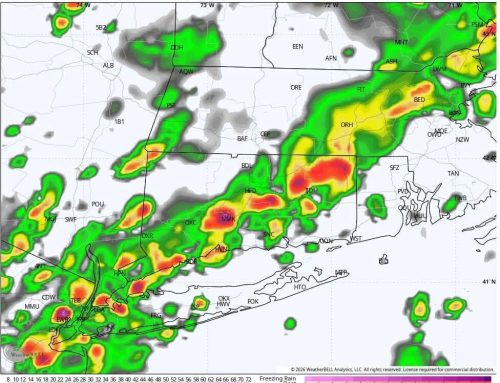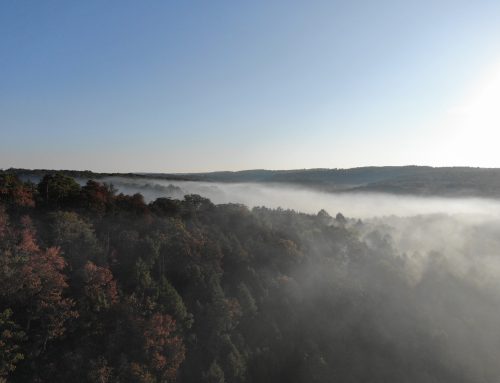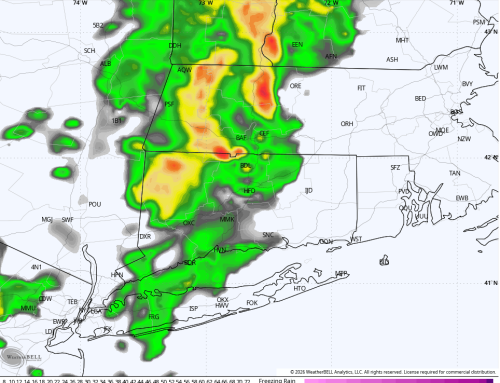
If you were outside last night across Connecticut, you may have noticed the sky glowing with an incredible orange hue long after the sun had dipped below the horizon. It wasn’t just a typical sunset—it was the result of a perfect combination of atmospheric conditions. To the west, a storm system was moving in, pushing mid-level clouds across the sky. In most epic sunsets, clouds play a critical role in creating the vibrant colors. The key is to have the right type of cloud species and the proper cloud height. Unlike thick storm clouds that block sunlight, mid-level clouds such as altostratus or altocumulus are thin enough to allow light through while still scattering it, which amplifies the effect.
The orange glow happens because, after sunset, sunlight travels through more of Earth’s atmosphere. Shorter wavelengths like blue and violet scatter out first, leaving the longer wavelengths—reds and oranges—to dominate. When those mid-level clouds are in the right position, they act like a giant reflector, catching and diffusing that warm light across the sky. The timing last night was perfect: the storm system sat just far enough west that the clouds were still illuminated by the sun even after it had disappeared from our view, creating that lingering glow.

Sent in from Stamford, CT last night. Credit Deedee Crawford.
Besides clouds, several bonus factors likely made the colors even more vivid. The lower angle of the sun in late fall naturally enhances warm tones, and moisture in the air can add depth and saturation to the colors. You may have noticed an increase in both temperature and dew point last night before the cold front – this certainly helped the sunset!

Sent in from the beaches in Stratford, CT last night. Credit Jackson Greenberg.