As smoke from Canadian wildfires drifts into the Northeast, creating hazy skies and prompting air quality concerns, many wonder why the fires are not extinguished immediately.
First off, these fire are remote. Like really remote. Sometime the closest town is 50km from the fire origin. Canada manages its vast boreal forests, which cover remote wilderness areas often lacking road access, with limited firefighting resources. Agencies prioritize protecting human lives, communities, and critical infrastructure. Fires in isolated locations that pose no immediate threat are frequently monitored from the air rather than attacked on the ground.
The fires are often believed to start from lightning strikes, although speculation of manmade origins are also out there. Many of these blazes develop into intense crown fires capable of rapid spread, especially under strong winds. In such conditions, deploying crews can carry significant safety risks, leading fire managers to focus efforts where they can be most effective.
Boreal forests have long experienced periodic fires as part of their natural cycle, roughly every 100 to 200 years, which can help recycle nutrients and support ecosystem diversity. Completely suppressing all fires could potentially allow fuel to accumulate and contribute to larger events in the future.
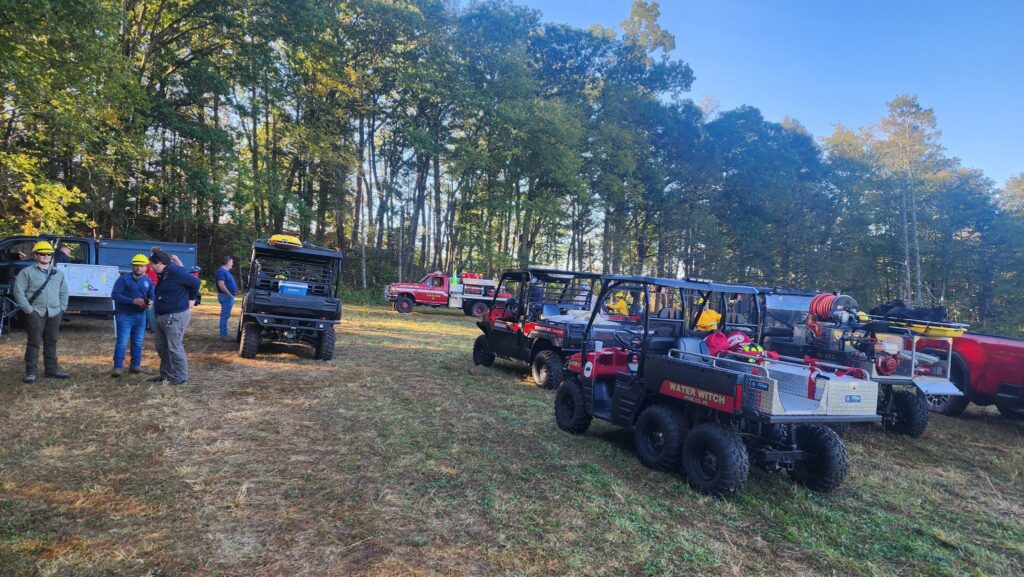
Bernie Meehan Photo – Washington, CT
Recent weather patterns, including large persistent high-pressure ridges and a slower-than-average jet stream, have helped sustain dry conditions and allowed smoke to linger across broader areas. While such blocking patterns are not unprecedented, with records of smoke from Canadian fires affecting the northeastern United States dating back centuries, it stands to reason that a warmer climate regime could certainly worsen expected impacts.
For residents in Connecticut and the Northeast, the result can mean periods of reduced visibility and the need to monitor local air quality. We have had some version of these smoke impacts every year since 2022, and I have personally spent way more time than I ever thought I would learning about air quality, wildfire smoke models, and AQI (none of which was covered in the Meteorology classes).
As one firefighter I talked to said, “The smoke blows where the wind goes.” Let’s hope that wind shifts by Friday