As high pressure settles over eastern Canada and ridging builds along the East Coast, the region is experiencing a stretch of dry and seasonable weather. But while the skies may be mostly clear of rain, they’re not entirely clear—wildfire smoke from western Canada is once again making its presence known, bringing hazy conditions and air quality concerns to the Northeast.
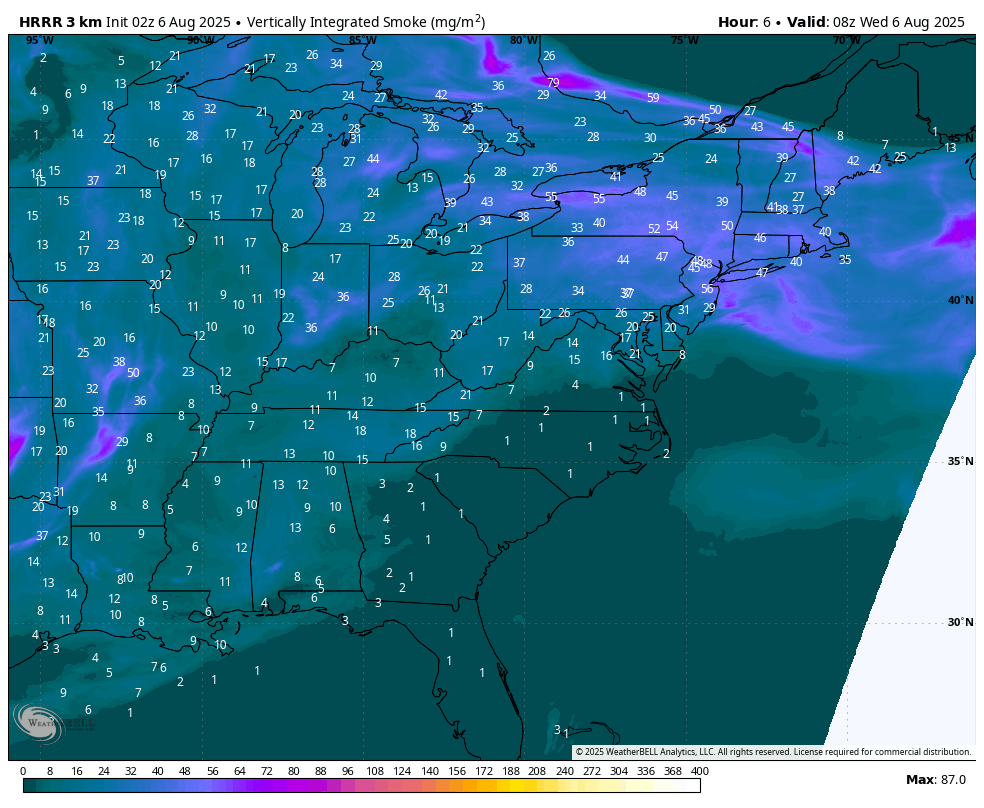
Smoke is staying stubborn over the Northeast; HRRR model smoke early Wednesday morning
🔥 Where Is the Smoke Coming From?
The smoke blanketing our skies is originating from intense wildfires burning across western Canada, particularly in British Columbia and Alberta. These fires have been fueled by persistent drought conditions, unusually warm temperatures, and dry lightning events. The 2025 wildfire season has been one of the most active in recent years, with millions of acres already scorched.
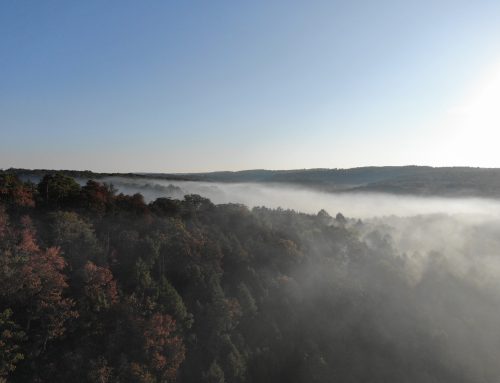
Upper-level winds are transporting smoke from these fires across the continent, and high-pressure systems over eastern Canada are helping trap it in the atmosphere over the Northeast. While much of the smoke remains aloft, surface-level concentrations have increased, leading to hazy skies and reduced visibility in some areas. Visibility may drop to 5–6 miles in parts of the region, though eastern Long Island and southeastern Connecticut may see clearer conditions.
🌡️ Forecast Highlights
- Tonight: Dry with lingering haze. Mid/high clouds will limit radiational cooling. Lows in the 60s to around 70°F.
- Wednesday: Mostly cloudy with continued haze. Highs between 80–85°F. Surface visibility may be reduced in some areas.
- Thursday–Friday: Dry and slightly cooler with highs in the low 80s. Humidity remains comfortable.
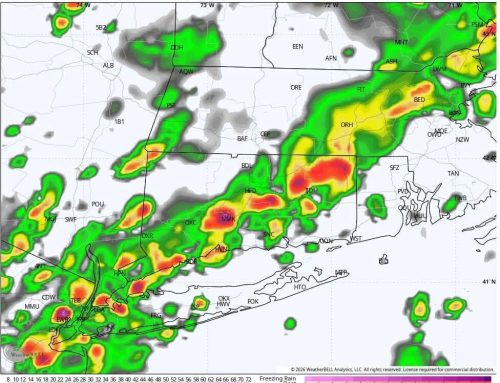
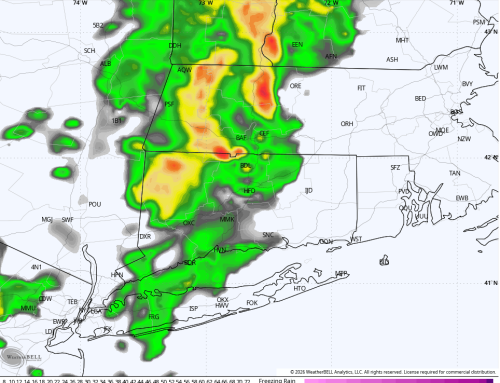
- Weekend into Early Next Week: A warming trend begins Saturday, with highs climbing into the upper 80s and low 90s by Monday. Rising dewpoints could push heat index values into the mid-90s, especially inland. A weak disturbance may bring a chance of late-day thunderstorms northwest of NYC by Tuesday.
🧭 Why Is the Smoke So Bad Again This Year?
Warmer temperatures, prolonged droughts, and earlier snowmelt are creating longer and more intense fire seasons across Canada. These conditions not only increase the frequency of fires but also their size and intensity, leading to more smoke production and longer-lasting impacts across North America.
🛑 What You Can Do
- Monitor air quality via local alerts and apps like AirNow or IQAir.
- Limit outdoor activity during periods of poor air quality, especially for sensitive groups.
- Use air purifiers indoors and keep windows closed when smoke is present.